We are pleased to share early findings from a research collaboration exploring Flavour Impairment Training (FIT) as a potential new approach for people living with smell and taste loss.
Findings were recently presented at the UK Flavour Association Flavour Day in London, with additional coverage in The Telegraph.
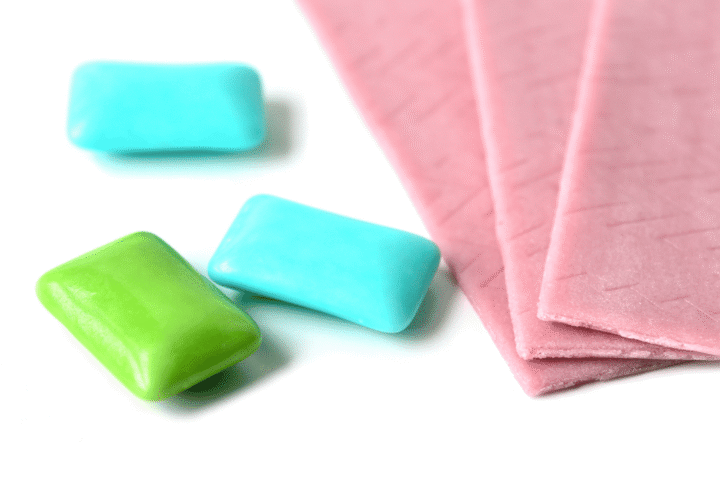
The pilot study, led by the University of Nottingham, investigated whether specially designed chewing gum combining intense flavour and trigeminal stimulation (cooling, heat and spice sensations) could help improve flavour perception in people with long-term olfactory dysfunction.
Participants were divided into three groups:
- Flavour Impairment Training (FIT) gum group
- Traditional olfactory training group
- Control group
The study was supported by the SmellTaste Charity community, including individuals living with smell loss who took part in the trial.
Early pilot study results
Although this was a small pilot study involving 16 participants using the FIT chewing gum, early outcomes are encouraging:
- 67% reported improved sense of smell
- 83% reported improved sense of taste
These findings suggest that combining flavour delivery with trigeminal sensory stimulation may support improvements in sensory perception and warrant further investigation.
Development of FIT chewing gum
TasteTech supported the study by developing the specialised chewing gums used in the trial, working closely with Dr Nicole Yang and the University of Nottingham research team.
Future research and next steps
While still at an early stage, the study highlights growing interest in flavour impairment research and sensory training approaches for smell loss.
Further trials are being considered, depending on funding availability, led by Dr Nicole Yang and the University of Nottingham team, to better understand the potential of FIT-based interventions in larger populations.
Summary
This early pilot study provides promising initial evidence that Flavour Impairment Training (FIT) using sensory-stimulating chewing gum may help improve smell and taste perception in people living with long-term smell loss. Further research is needed, but results support continued investigation in this emerging field.